
Traditional Marketing
Introduction
Traditional Marketing remains a powerful tool for reaching audiences, especially in local markets and demographics that are less active online.
Traditional marketing refers to offline promotional methods such as print ads, TV commercials, billboards, direct mail, brochures, and radio spots. While digital marketing offers precise targeting, traditional marketing builds brand trust, local presence, and mass-market appeal.
In this guide, we’ll explore:
What is traditional marketing?
Key types of conventional marketing strategies
Advantages and disadvantages compared to digital marketing
How businesses still use traditional marketing effectively in 2025
Case studies of successful traditional campaigns
What is Traditional Marketing?
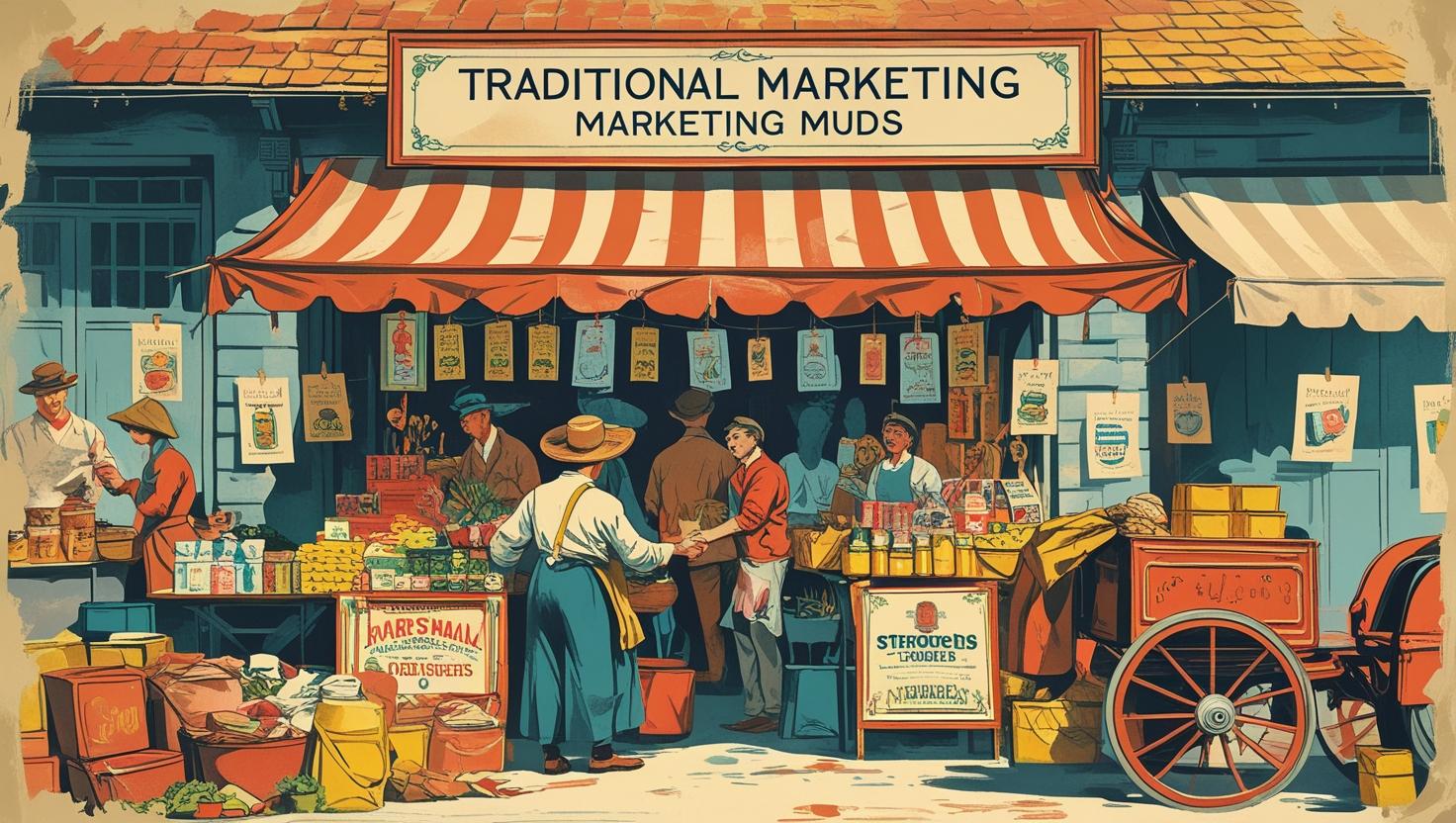
Traditional marketing includes non-digital advertising and promotional tactics. Traditional marketing is based on Print media, Broadcast media, Telemarketing, Outdoor advertising, Direct mail, and In-person events.
Why Traditional Marketing Still Matters
Reaches Older & Local Audiences: Not everyone has a mobile device or internet access; mostly senior citizens and rural consumers still rely on TV, radio, and newspapers.
Builds Brand Credibility: A billboard or magazine ad enhances trust when it is placed on the visible side.
Tangible & Memorable: Physical ads like brochures leave a long-lasting impression.
Less Competition: Traditional marketing has a lot of space because businesses are shifting to digital marketing.
Types of Traditional Marketing Strategies
Print Advertising
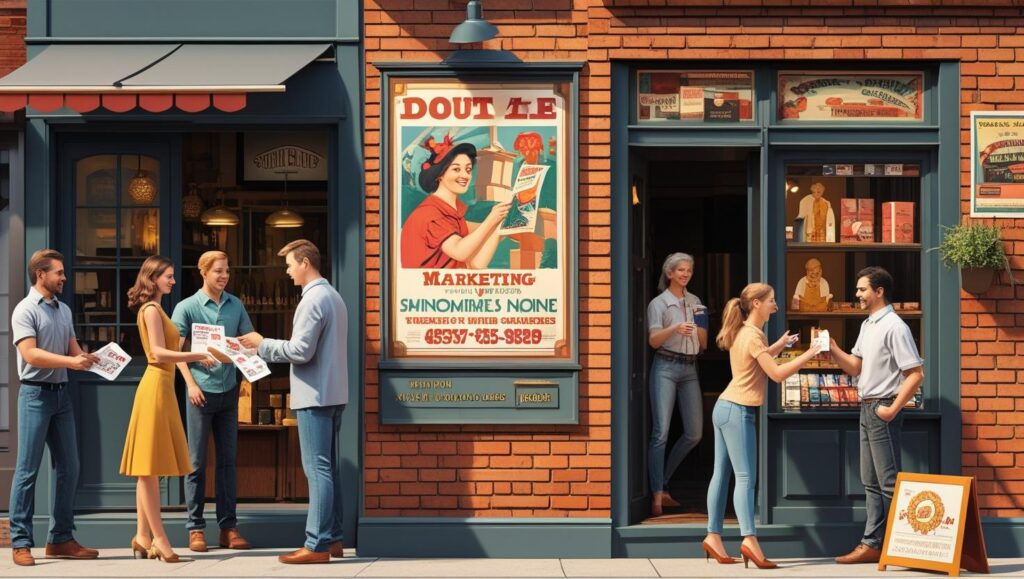
Newspapers & Magazines: It is best suited for the local market or business targeting a specific audience.
Flyers & Brochures: Handed out in high-traffic areas or mailed directly.
Yellow Pages: Still used by service-based businesses (plumbers, electricians).
Best for: Local businesses, real estate agencies, and event promotions.
Broadcast Marketing (TV & Radio)
TV Commercials: Are High impact but expensive; great for brand awareness.
Radio Ads: Are Cost-effective for local businesses and drive-time audiences.
Sponsorships: Supporting local events or shows builds community trust.
Best for: National brands, car dealerships, fast-food chains.
Outdoor Advertising (OOH – Out-of-Home)
Billboards: High visibility on highways and urban centers.
Transit Ads: Buses, subways, and taxis attract commuters.
Posters & Banners: Placed in malls, bus stops, and event venues.
Best for: Retail brands, tourism, and large-scale promotions.
Direct Mail Marketing
Postcards & Catalogs: Personalized offers sent via postal mail.
Coupon Booklets: Discounts to drive in-store traffic.
Newsletters: Sent to loyal customers for retention.
Best for: Restaurants, retail stores, nonprofits.
Telemarketing & Cold Calling
Sales Calls: Directly pitching products/services to leads.
Surveys & Feedback Calls: Gathering customer insights.
Best for: B2B companies, insurance agencies, subscription services.
Event Marketing & Guerrilla Tactics
Trade Shows & Exhibitions: Face-to-face networking with potential clients.
Street Promotions: Sampling, flash mobs, and interactive ads.
Sponsorships: Associating brands with sports, concerts, or charities.
Best for: Startups, beverage brands, and experiential marketing.
Traditional vs. Digital Marketing: Pros & Cons
- Aspect Traditional Marketing Digital Marketing
- Cost Expensive (TV, billboards) More affordable (PPC, SEO)
- Targeting a Broad audience (less precise) , Hyper-targeted (demographics, interests)
- Measurability : Hard to track ROI , Real-time analytics (clicks, conversions)
- Engagement Passive (viewers can’t interact) Interactive (comments, shares)
- Longevity Short-term (newspapers expire) Evergreen (SEO content lasts years)
When to Use Traditional Marketing?
Launching a new product: (TV/radio ads create buzz)
Targeting older demographics: (seniors read newspapers)
Local business promotions: (billboards, flyers)
High-trust industries: (banks, healthcare use direct mail)
Is Traditional Marketing Still Effective in 2024?
Yes! Many brands combine traditional + digital marketing for maximum impact. Examples:
Case Study 1: Coca-Cola’s “Share a Coke” Campaign
Strategy: Printed popular names on Coke bottles.
Result: Boosted sales by 2.5% in the U.S. and went viral on social media.
Case Study 2: McDonald’s Billboards with QR Codes
Strategy: Traditional billboards included QR codes for app downloads.
Result: Increased app users by 30% in targeted cities.
Case Study 3: IKEA’s Catalog (Direct Mail Success)
Strategy: Sent printed catalogs with AR features (scan for 3D previews).
Result: 4.5 million downloads of their AR app.
Common Mistakes in Traditional Marketing
No Clear Call-to-Action (CTA): Ads should tell customers what to do next (e.g., “Visit our store today!”).
Poor Audience Targeting: Wasting money on broad audiences instead of niche markets.
Ignoring Brand Consistency: Messaging should align across TV, print, and digital.
Failing to Track Responses: Use promo codes or phone numbers to measure ads’ success.
Conclusion: The Future of Traditional Marketing
While digital marketing dominates, traditional marketing isn’t dead, it’s evolving. Smart businesses integrate both:
Use QR codes in print ads to bridge offline-to-online engagement.
Combine radio ads with social media hashtags for cross-promotion.
Leverage direct mail with personalized URLs (PURLs) for tracking.
Final Takeaways:
Traditional marketing builds trust and local presence.
It works best when combined with digital strategies.
Measure success with unique promo codes, phone numbers, or QR scans.
High-touch industries (real estate, luxury brands) still rely on it heavily.
For businesses looking to stand out, a balanced marketing mix of traditional and digital delivers the best results.