
Introduction
In the modern world of digital marketing, PPC (Pay-Per-Click) advertising stands out as one of the most effective ways to drive targeted traffic, generate leads, and increase sales. Unlike organic marketing strategies that take time to yield results, immediate visibility is offered by Pay-Per-Click and measurable ROI.
If you’re a small company owner, a marketer, or an entrepreneur, understanding Pay-Per-Click can help you maximize your advertising budget and achieve your business goals. In this comprehensive guide, we’ll explore:
- What PPC is and how it works
- The benefits of PPC advertising
- Different types of PPC campaigns
- Key platforms for PPC advertising
- How to create a successful PPC strategy
- Common PPC mistakes to avoid
- The future of PPC in digital marketing
By the end of this blog, you’ll have a solid understanding of how PPC can boost your digital marketing efforts.
What is PPC Advertising
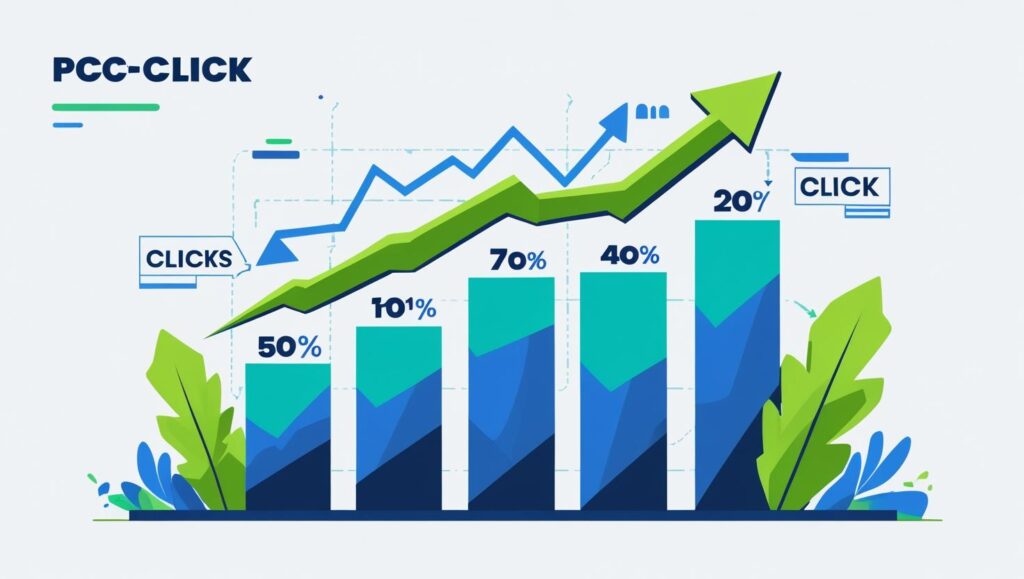
It is an online advertising model where advertisers pay a fee each time their ads are clicked by visitors. It’s essentially a way of buying visits to your website rather than earning them organically.
How Does Pay-Per-Click Work?
Keyword Targeting: Advertisers bid on keywords relevant to their target audience.
Ad Auction: When a user searches for those keywords, an auction determines which ads appear.
Ad Placement: Winning ads are shown on search engine results pages (SERPs) or other platforms.
Cost Per Click (CPC): Advertisers only pay when somebody clicks on their ads.
Popular PPC platforms include:
Google Ads (formerly Google AdWords)
Microsoft Advertising (Bing Ads)
Facebook & Instagram Ads
LinkedIn Ads
Twitter (X) Ads
YouTube Ads
Benefits of PPC Advertising
Immediate Results
Unlike SEO, which takes months to show results, this type of ads can drive traffic within hours of launching a campaign.
Highly Targeted Advertising
Its allows precise audience targeting based on:
Demographics (age, gender, location), Interests & behaviors, Search intent (keywords), and Device type (mobile, desktop)
Measurable ROI
With PPC, you can track:
Clicks, Impressions, Conversions, Cost per acquisition (CPA), and Return on ad spend (ROAS)
Budget Control
You can set daily or campaign budgets, ensuring you never overspend.
Flexibility & Scalability
PPC campaigns can be changed in real-time based on routine data.
Types of Pay-Per-Click Campaigns
Search Ads (Google & Bing Ads)
Text-based ads that appear on search engine results.
Best for capturing high-intent buyers.
Display Ads (Google Display Network)
Banner ads on websites within Google’s network.
Great for brand awareness.
Social Media Ads (Facebook, Instagram, LinkedIn, Twitter)
Highly visual ads targeting users based on interests.
Ideal for engagement and lead generation.
Shopping Ads (Google Shopping & Amazon Ads)
Product listings with images and prices.
Perfect for eCommerce businesses.
Video Ads (YouTube & TikTok Ads)
Engaging video content to capture attention.
Effective for storytelling and brand awareness.
Remarketing/Retargeting Ads
Target users who previously visited your website.
Increases conversion rates by staying top-of-mind.
How to Create a Successful PPC Strategy
Step 1: Define Your Goals
Brand awareness?
Lead generation?
Direct sales?
Step 2: Choose the Right Platform
B2B? LinkedIn & Google Ads
E-commerce? Google Shopping & Facebook Ads
Local Business? Google Local Service Ads
Step 3: Keyword Research
Use tools like Google Keyword Planner, SEMrush, or Ahrefs.
Focus on high-intent keywords (e.g., “buy running shoes online”).
Step 4: Create Compelling Ads
Write clear, benefit-driven ad copy.
Use strong CTAs (e.g., “Shop Now,” “Get a Free Quote”).
Step 5: Optimize Landing Pages
Ensure fast loading speed.
Match ad messaging to landing page content.
Include clear CTAs.
Step 6: Set Budget & Bidding Strategy
Start with a conservative budget.
Use automated bidding (e.g., Target CPA, Maximize Conversions).
Step 7: Monitor & Optimize
Track key metrics (CTR, Conversion Rate, ROAS).
A/B test ad copy, landing pages, and targeting.
Pause underperforming ads.
Common PPC Mistakes to Avoid
Ignoring Negative Keywords: Wastes the budget on irrelevant clicks.
Poor Landing Page Experience and high bounce rates impact Quality Score.
Not using Ad Extensions: overlooks opportunities to enhance ad visibility.
Setting & Forgetting: PPC requires ongoing optimization.
Overlooking Mobile Optimization: 60%+ searches happen on mobile.
The Future of PPC Advertising
AI & Automation: Smart bidding, automatic ad creation.
Voice Search Optimization: More PPC ads on voice associates.
Visual & Video Ads: Growth of YouTube, TikTok, and Instagram ads.
Privacy-Focused Targeting: Less reliance on cookies, more contextual targeting.
Conclusion
Pay-Per-Click advertising is a strong tool in digital marketing, showing speed, accuracy, and the ability to efficiently handle increasing amounts of work, users, or resources without compromising performance or functionality. By understanding how PPC works, choosing the right platforms, and continuously optimizing campaigns, businesses can achieve significant growth.
If you are just starting or looking to better your technique, It can deliver measurable results when implemented correctly. Ready to launch your first campaign? Start small, test, and scale based on data!
Need Help with Pay-Per-Click?
If you’re looking for expert Pay-Per-Click management, our team specializes in creating high-converting campaigns for better performance. Contact us today for a free audit.