
Do you have a website, or are you considering creating one?
Do you want to attract more people to your business? If the answer is yes, then there’s no doubt about it: It should be part of your marketing efforts. It’s a great way to build your brand and get an audience on your site. But what does it entail? In this post, we learn about understanding it and how to get started.
Introduction
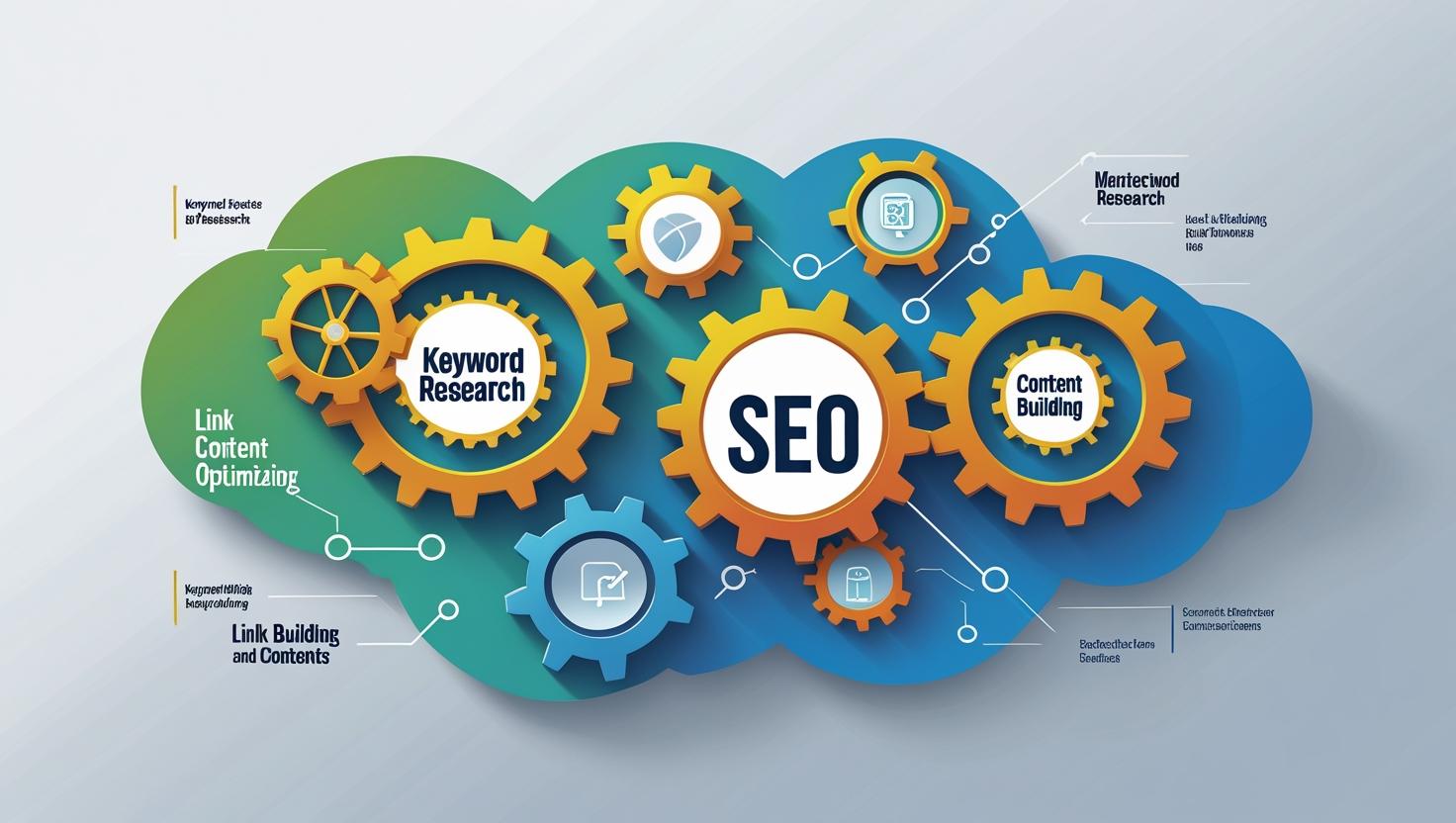
SEO stands for Search Engine Optimization. It is the backbone of digital marketing, helping companies enhance their online appearance in the digital market, attract an audience for organic traffic, and generate leads. With search engines like Google constantly updating their algorithms, staying ahead in SEO requires a mix of technical expertise, content strategy, and user experience optimization.
In this blog, we’ll cover:
What SEO is and why it matters
How search engines rank websites
On-page, off-page, and technical SEO best practices
Latest SEO trends in 2025
Common SEO mistakes to avoid
What is SEO & Why Does It Matter?
It is the process of optimizing a website to rank higher on search engine results pages (SERPs) for relevant keywords. When done correctly:
Increases organic traffic (free, organic, and high-quality visitors)
Builds brand credibility (top-ranking sites are seen as trustworthy)
Boosts conversions (better visibility = more leads & sales revenew)
Outperforms paid ads in long-term ROI (return on investment)
Google processes over 8.5 billion searches per day, making SEO essential for businesses that want to be found online.
How Search Engines Rank Websites
Search engines like Google use complex algorithms to determine rankings. The key ranking factors include:
Crawling & Indexing
Googlebot (Google’s web crawler) scans pages to understand content.
Indexing stores pages in Google’s database for retrieval in search results.
Ranking Factors
Relevance (Does the content match the search intent?)
Authority (Backlinks from reputable sites signal trustworthiness)
User Experience (Fast load speed, mobile-friendliness, low bounce rate)
Content Quality (Depth, accuracy, and engagement)
Types of SEO: On-Page, Off-Page & Technical
On-Page SEO (Optimizing individual web pages)
Keyword Research (Use tools like Ahrefs, SEMrush, or Google Keyword Planner)
Title Tags & Meta Descriptions (Include target keywords naturally)
Header Tags (H1, H2, H3) for content structure. Use only one time Heading H1.
Internal Linking (Helps Google understand the Social scale)
Image Optimization (Alt text, compressed files for website speed)
Off-Page SEO (Building authority outside your website)
Backlink Building (Guest posts, HARO (Help a Reporter Out), digital PR)
Social Signals (Shares on LinkedIn, Twitter, TikTok, and Facebook)
Local SEO (Google My Business, local citations)
Brand Mentions (Unlinked mentions still boost credibility)
Technical SEO (Improving site infrastructure)
Site Speed (Use Google PageSpeed Insights)
Mobile Optimization (Google prioritizes mobile-first indexing)
Secure Website (HTTPS) for better rankings
Structured Data (Schema Markup) for rich snippets
Fix Broken Links & Redirects (Use Screaming Frog for audits)
Latest Trends in 2025
AI & SEO (ChatGPT, Gemini, SGE)
Google’s Search Generative Experience (SGE) may alter how content is ranked.
AI tools help with keyword research and content outlines but require human editing.
Voice Search Optimization
50% of searches are voice-based (Alexa, Siri, Google Assistant).
Optimize for long-tail, conversational queries.
EEAT (Experience, Expertise, Authority, Trustworthiness)
Google prioritizes content from credible sources (doctors, financial experts, etc.).
Zero-Click Searches & Featured Snippets
Over 50% of searches end without a click; optimize for Position 0.
Video SEO (YouTube & Shorts)
YouTube is the second-largest search engine for optimizing video titles, descriptions, and transcripts.
Common Mistakes to Avoid
Keyword Stuffing (Google penalizes unnatural keyword usage)
Ignoring Mobile Optimization (Over 60% of searches are mobile)
Duplicate Content (Hurts rankings use canonical tags)
Slow Page Speed (Users leave if a page takes more than 3 seconds to load)
Neglecting Backlink Quality (Spammy links can be caused by penalties)
Conclusion
It is an adaptable field, but mastering the fundamentals of on-page and off-page SEO, and technical SEO can significantly boost the rankings of your website. In 2025, focus on AI-driven content, voice search, and EEAT to stay ahead.
Next Steps:
Audit your website (Use Google Search Console & Ahrefs).
Optimize content for user intent and EEAT.
Build high-quality backlinks through outreach, digital PR, and guest posts.
Monitor performance with Google Analytics & adjust strategies.